


Hip Dysplasia in Dogs: Surgical Options Explained
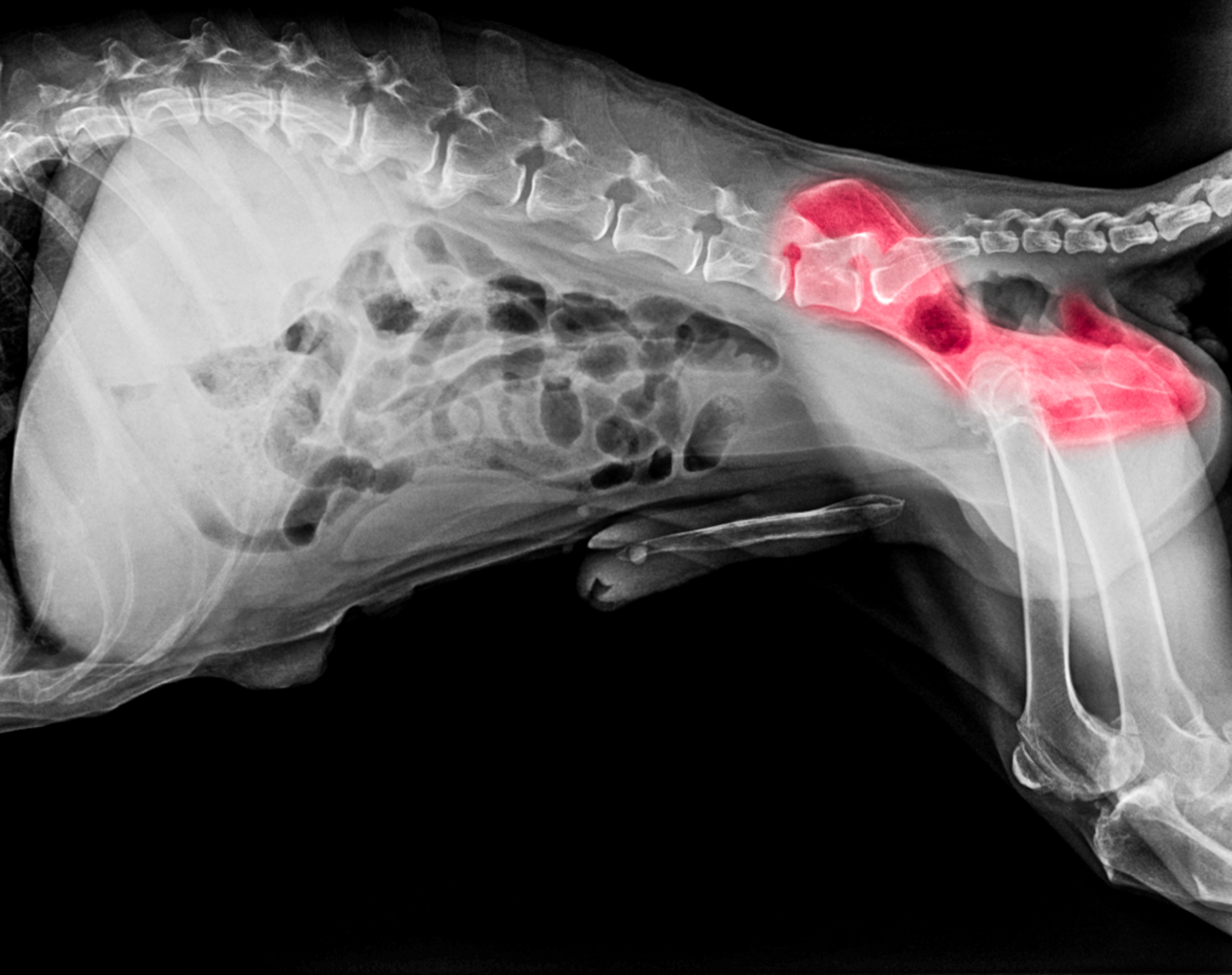
Hip dysplasia in dogs is a common orthopedic condition that affects how the hip joint develops and functions. When the ball and socket do not fit together properly, the joint becomes loose, painful, and more likely to wear down over time. While some dogs respond well to weight management, medication, and activity changes, others may need surgery to improve comfort and mobility.
When Surgery May Be Recommended
Not every dog with hip dysplasia needs surgery right away. Treatment depends on your dog’s age, size, activity level, severity of joint damage, and overall health. Surgery is often considered when pain becomes harder to manage or when your dog is struggling with daily movement.
Common signs that may point to a more advanced problem include:
- Difficulty standing up or lying down
- Limping or shifting weight off the back legs
- Trouble climbing stairs or getting into the car
- Reduced interest in running, playing, or walking
- Noticeable stiffness after rest
Femoral Head Ostectomy
A femoral head ostectomy, or FHO, is one surgical option for certain dogs with hip dysplasia. In this procedure, the ball portion of the hip joint is removed. The body then forms a false joint made of scar tissue, which helps reduce painful bone-on-bone contact.
FHO is often considered for smaller dogs, although some larger dogs may also benefit depending on their condition and recovery potential. This procedure can offer meaningful pain relief, but it does not recreate a normal hip joint.
Total Hip Replacement
Total hip replacement is often considered the most complete surgical option for dogs with severe hip dysplasia. During this procedure, the damaged joint is removed and replaced with prosthetic components designed to restore smoother movement.
For the right candidate, total hip replacement can significantly improve function and reduce chronic pain. Many dogs return to a more active lifestyle after recovery. Because it is a major orthopedic procedure, your veterinary surgeon will carefully evaluate whether your dog is a good fit for this treatment.
Double or Triple Pelvic Osteotomy
In younger dogs, especially those diagnosed before significant arthritis develops, a double pelvic osteotomy or triple pelvic osteotomy may be recommended. These procedures involve cutting and repositioning parts of the pelvis to improve the way the hip joint fits together.
This option is typically best for dogs that still have a relatively healthy joint but show early structural problems. Timing matters with this procedure, which is why early evaluation can make a major difference.
Choosing the Right Surgical Approach
The best option depends on the extent of joint damage, your dog’s age and size, and your long-term goals for pain relief and mobility. A surgical consultation, physical exam, and imaging help determine which procedure offers the best outcome. If your dog is showing signs of hip pain, reduced mobility, or ongoing discomfort, getting answers early can help you make an informed decision about treatment.
To learn more about surgical treatment for hip dysplasia in dogs, contact Van Lue Veterinary Surgical to schedule a consultation. Visit our office in Oviedo, Florida, or call (321) 348-6300 to book an appointment today.


Copyright © 2026. All Rights Reserved. Privacy Policy - Sitemap
Powered by: 