


Male Cat Straining to Urinate? It Could Be an Emergency
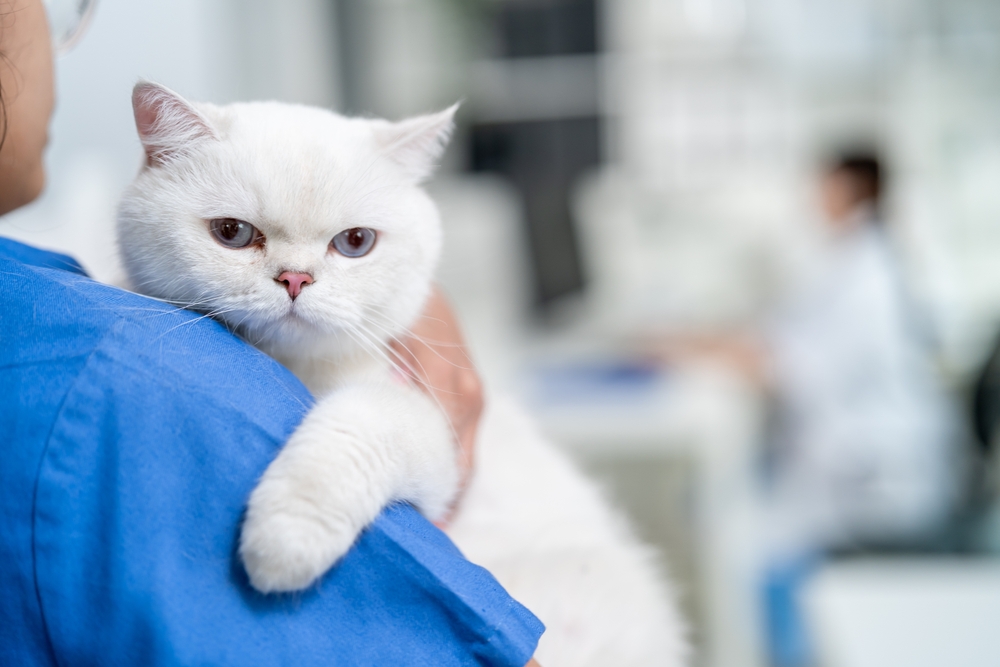
If your male cat is repeatedly going to the litter box, crying, producing little to no urine, or licking near the urinary opening, this may be more than a simple urinary issue. Male cats are at higher risk for urinary blockage because their urethra is narrow, making it easier for crystals, mucus, inflammation, or stones to prevent urine from passing.
A blocked cat is a true veterinary emergency. When urine cannot leave the body, toxins can build up quickly and the bladder can become dangerously stretched. Without urgent care, this condition can become life-threatening.
Signs Your Cat May Have a Urinary Blockage
Urinary blockage can sometimes look like constipation because cats may strain in the litter box without producing much. The key difference is that a blocked cat is unable to urinate normally, even though they keep trying.
Watch for signs such as:
- Frequent trips to the litter box
- Straining with little or no urine
- Crying, hiding, or acting restless
- Blood in the urine
- Vomiting or loss of appetite
- A firm or painful abdomen
- Lethargy or sudden weakness
If you notice these symptoms, do not wait to see if they improve.
Why Male Cats Are More at Risk
Male cats have a longer, narrower urethra than female cats, which makes urinary obstruction more common. Inflammation, bladder stones, crystals, urinary tract disease, or stress-related bladder irritation can all contribute to the problem.
Some cats may have early warning signs before a full blockage occurs, while others can decline quickly. Even if your cat passes a few drops of urine, continued straining should still be treated as urgent.
What Happens During Emergency Treatment
When a cat cannot urinate, the first priority is stabilizing them and relieving the obstruction. A veterinarian may need to place a urinary catheter, provide fluids, manage pain, and monitor kidney values and electrolyte levels. In some cases, additional diagnostics are needed to check for bladder stones, infection, or other underlying causes.
At Van Lue Veterinary Surgical, we understand how serious urinary emergencies can become. While many cases begin with emergency stabilization, some cats may need surgical support if blockages return or if there is an underlying issue that requires correction.
When Surgery May Be Needed
Some male cats experience repeated urinary blockages despite medical management. In select cases, a procedure called perineal urethrostomy may be recommended to help create a wider urinary opening and reduce the risk of future obstruction.
Surgery is not the first step for every cat, but it may be an important option for cats with recurring problems. Our surgical team works closely with pet owners and referring veterinarians to determine when surgery is appropriate and how to support recovery afterward.
Do Not Wait on Urinary Symptoms
If your male cat is straining to urinate, acting painful, or not producing urine, seek emergency veterinary care immediately. Time matters with urinary obstruction, and early treatment can make a major difference in your cat’s comfort, safety, and outcome.
For surgical care and referral support, contact Van Lue Veterinary Surgical in Oviedo, Florida by calling (321) 348-6300.


Copyright © 2026. All Rights Reserved. Privacy Policy - Sitemap
Powered by: 