


Managing Your Dog’s TPLO Recovery: Tips for a Smooth Healing Process
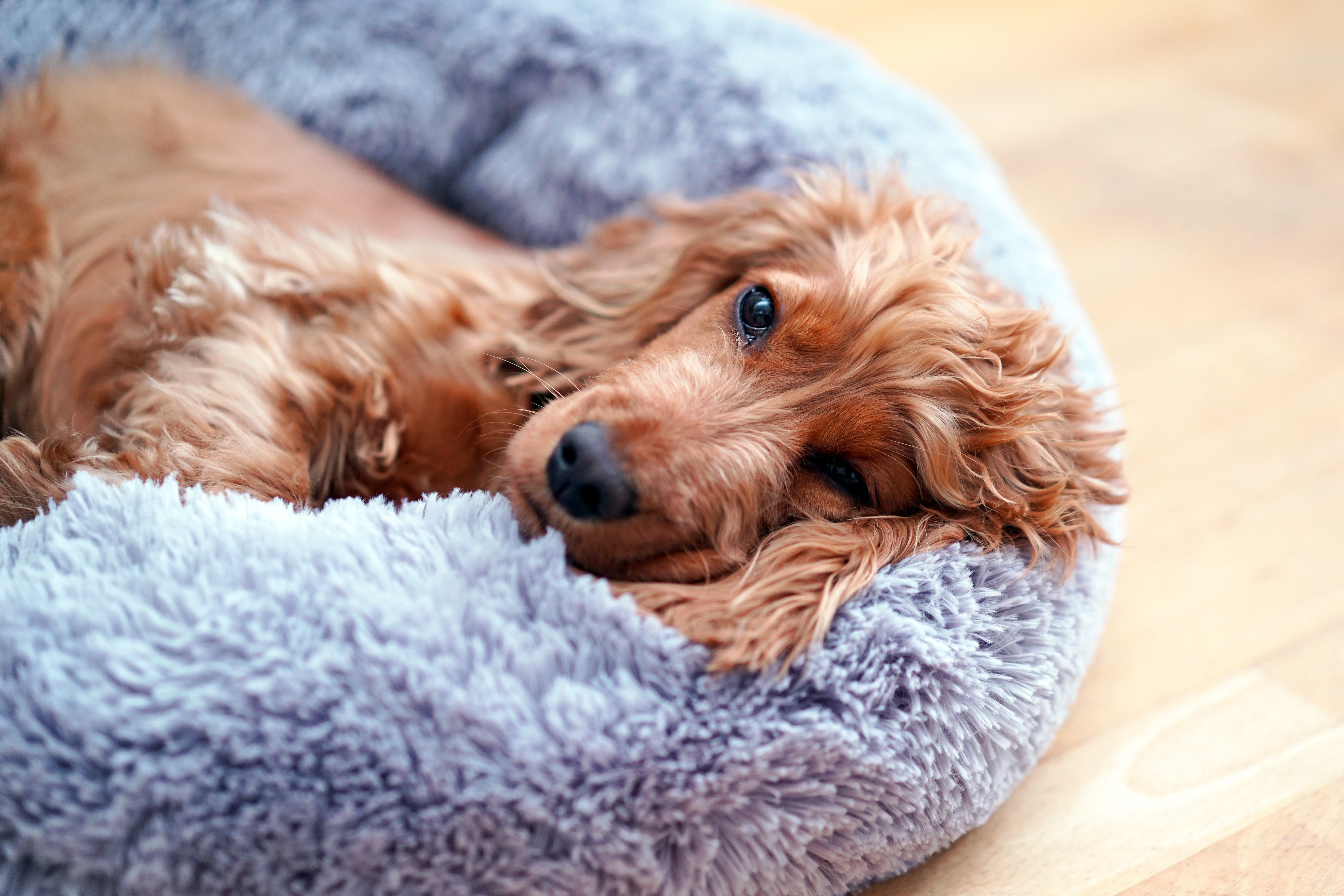
TPLO surgery can help dogs with a torn cranial cruciate ligament regain stability and return to comfortable movement. However, the procedure is only one part of the process. What happens during your dog’s TPLO recovery is equally important for supporting proper healing and protecting the repaired knee.
Every dog recovers differently, so your veterinary surgeon’s specific instructions should always guide activity, medication, follow-up care, and rehabilitation.
Keep Activity Restricted During Early Recovery
Your dog may start feeling better before the surgical site and bone are fully healed. This can make activity restriction challenging, especially for energetic dogs. Running, jumping, rough play, and uncontrolled movement can place unnecessary stress on the healing leg.
During early TPLO recovery, dogs are generally limited to controlled activity. Short leash walks for bathroom breaks may be recommended, while stairs and slippery surfaces should be minimized. Baby gates, crates, exercise pens, and small rooms can help create a safe recovery space.
Create a Safe Environment at Home
Making a few changes around the house can help reduce the risk of slips or sudden movements after TPLO surgery. Helpful adjustments may include:
- Placing rugs or nonslip mats on smooth flooring
- Blocking access to stairs and furniture
- Using a leash for controlled outdoor trips
- Keeping food, water, and bedding within easy reach
- Providing a quiet, comfortable area away from active pets
If your dog has difficulty standing or walking during the early stages of recovery, your veterinary team may recommend additional support.
Monitor the Incision and Your Dog’s Comfort
Check your dog’s incision as directed and watch for changes such as increasing redness, swelling, discharge, or opening of the incision. Preventing licking and chewing is also important, which may require an Elizabethan collar or another protective device.
Give all prescribed medications according to your veterinarian’s instructions. Never add human pain medications or change your dog’s dose without speaking with the veterinary team.
Changes in appetite, energy, mobility, or comfort should also be monitored. Contact your veterinarian if your dog suddenly stops using the surgical leg, appears increasingly painful, damages the incision, or develops other concerning symptoms.
Follow the Recommended Rehabilitation Plan
Controlled rehabilitation can play an important role in rebuilding strength and mobility after TPLO surgery. Your dog’s plan may gradually progress from restricted movement to longer controlled walks and therapeutic exercises as healing continues.
Avoid increasing activity simply because your dog seems eager to do more. Your veterinary surgeon may use follow-up examinations and imaging to evaluate healing before clearing your dog for higher levels of activity.
Keep Every Follow-Up Visit
TPLO recovery requires patience. Follow-up appointments allow the veterinary team to evaluate the surgical site, monitor bone healing, assess how your dog is using the leg, and adjust activity recommendations when appropriate.
Following the recommended recovery schedule can help protect the surgical repair while giving your dog the best opportunity to safely rebuild strength and return to normal activities.
For experienced TPLO surgical care and guidance throughout your dog’s recovery, schedule a consult at Van Lue Veterinary Surgical in Oviedo, FL, at (321) 348-6300.


Copyright © 2026. All Rights Reserved. Privacy Policy - Sitemap
Powered by: 